
What Is Startup Seeds? A Free List of Business Ideas from Top Startup Podcasts
Startup Seeds is a free, continuously updated list of business ideas extracted from the best startup podcasts on the internet. Every idea in the database above comes from a specific episode of My First Million, The Startup Ideas Podcast, or The Koerner Office, with the source linked so you can go deeper. If you are an aspiring entrepreneur looking for startup ideas you can actually build, this page is meant to be your starting point.
Most lists of business ideas online are written by one person brainstorming for an afternoon. This list is different. It is sourced from thousands of hours of conversations between founders, operators, and investors who have actually built and sold companies. When Sam Parr and Shaan Puri spend forty minutes picking apart why a boring business is secretly printing money, we capture the idea, the mechanics, and the validation, and add it to the database.
Why a Database of Startup Ideas from Podcasts?
The best startup ideas are rarely original. They are old ideas applied to new audiences, new distribution channels, or overlooked markets. Podcasts are where experienced operators talk openly about the ideas they would pursue if they had more time, the ones they rejected and why, and the small, unsexy businesses quietly doing eight figures of revenue. That is gold for a first-time founder.
The problem is that podcast conversations are ephemeral. A great idea mentioned in episode 247 disappears into the audio feed and is basically un-searchable twenty minutes later. Startup Seeds solves that. Every idea is indexed, categorized, and cross-referenced so you can find what you want in seconds instead of re-listening to an entire back catalog.
What makes each entry different from a generic list of business ideas
- Source attribution. Every idea links to the specific episode and timestamp where it was discussed, along with the release date.
- Operator-validated. Ideas are discussed by people who have built real companies, not speculative thought experiments from listicles.
- Problem-first framing. Each entry breaks down the problem the business solves, the business model, and the skills you would need to start.
- Connected to real examples. Where a podcast host references an existing company running the model (for example, Jack Roof building Snap! Raise into a large school fundraising business), we link to the case study so you can study the execution.
Who This List of Business Ideas Is For
If any of these sound like you, the database above is built for you:
- First-time founders trying to pick an idea that is both interesting and viable, without spending six months in analysis paralysis.
- Indie hackers and solopreneurs looking for small, focused startup ideas one person can build and run, especially in SaaS, services, and content businesses.
- Corporate employees planning an exit, who want a library of validated concepts to pattern-match against their own skill set and industry experience.
- Students and career changers who want exposure to the full surface area of modern entrepreneurship before committing to a direction.
- Investors and scouts looking for early signal on what operators are paying attention to.
How to Use the Database
Above the fold on this page you will see the live list. Here is how to get the most out of it:
- Filter by category to narrow the list to the kinds of businesses you are actually interested in, like SaaS, e-commerce, marketplace, service, or AI/ML.
- Search by keyword across idea titles, descriptions, and the problems they solve. If you have a skill or industry in mind, search for it. Many founders find their best idea by matching the list to what they already know.
- Sort by newest to see what recent podcast episodes have surfaced, or by A-Z to browse the full catalog.
- Click into an idea to read the full writeup, see which episode it came from, and follow links to related examples.
- Save and come back. The list grows every week as new episodes drop. If you subscribe to our newsletter below, we will send you the highlights so you do not have to check manually.
Categories of Business Ideas in the Database
The startup ideas on this list span every major business category. Here are the ones most frequently represented, with a short note on what makes each category interesting right now:
- SaaS business ideas. Software subscriptions aimed at a specific profession or workflow. Low overhead, high margin, and the category most frequently discussed on startup podcasts because the unit economics are well understood.
- AI business ideas. New applications of large language models and other AI capabilities to existing workflows. This category is growing fastest in our database as podcasts respond to the post-GPT-4 wave.
- Ecommerce business ideas. Physical and digital product businesses, often built around a narrow audience or a specific distribution channel. Higher capital requirements than SaaS but clearer paths to early revenue.
- Marketplace ideas. Two-sided businesses connecting buyers and sellers in an underserved niche. Harder to start because of the cold-start problem, but defensible once live.
- Service businesses. Productized services, agencies, and local service companies. These are the "boring businesses" the podcasts love, often with better cash flow than venture-scale ideas.
- Mobile app ideas. Narrow-purpose apps, subscription utilities, and consumer tools. Increasingly rare on the podcasts but still a useful category.
Side hustle ideas versus full startup ideas
Many of the entries work as either. A productized service can start as a weekend side project and grow into a full business. A SaaS tool can be bootstrapped alongside a day job. When you read an idea, ask two questions: what would the smallest version of this look like, and what would the largest version look like? The podcasts are full of founders who answered both correctly.
Podcasts We Mine for Ideas
Each podcast in our library was chosen because the hosts or guests have built real businesses and discuss startup ideas with operator-level specificity. See the full set on our podcasts page, or jump directly to the main three:
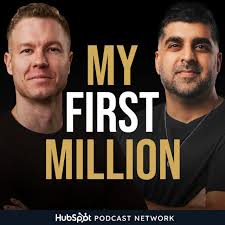
- My First Million with Sam Parr and Shaan Puri. The highest-velocity source of new ideas on this site. Each episode typically generates three to five distinct opportunities we add to the database.
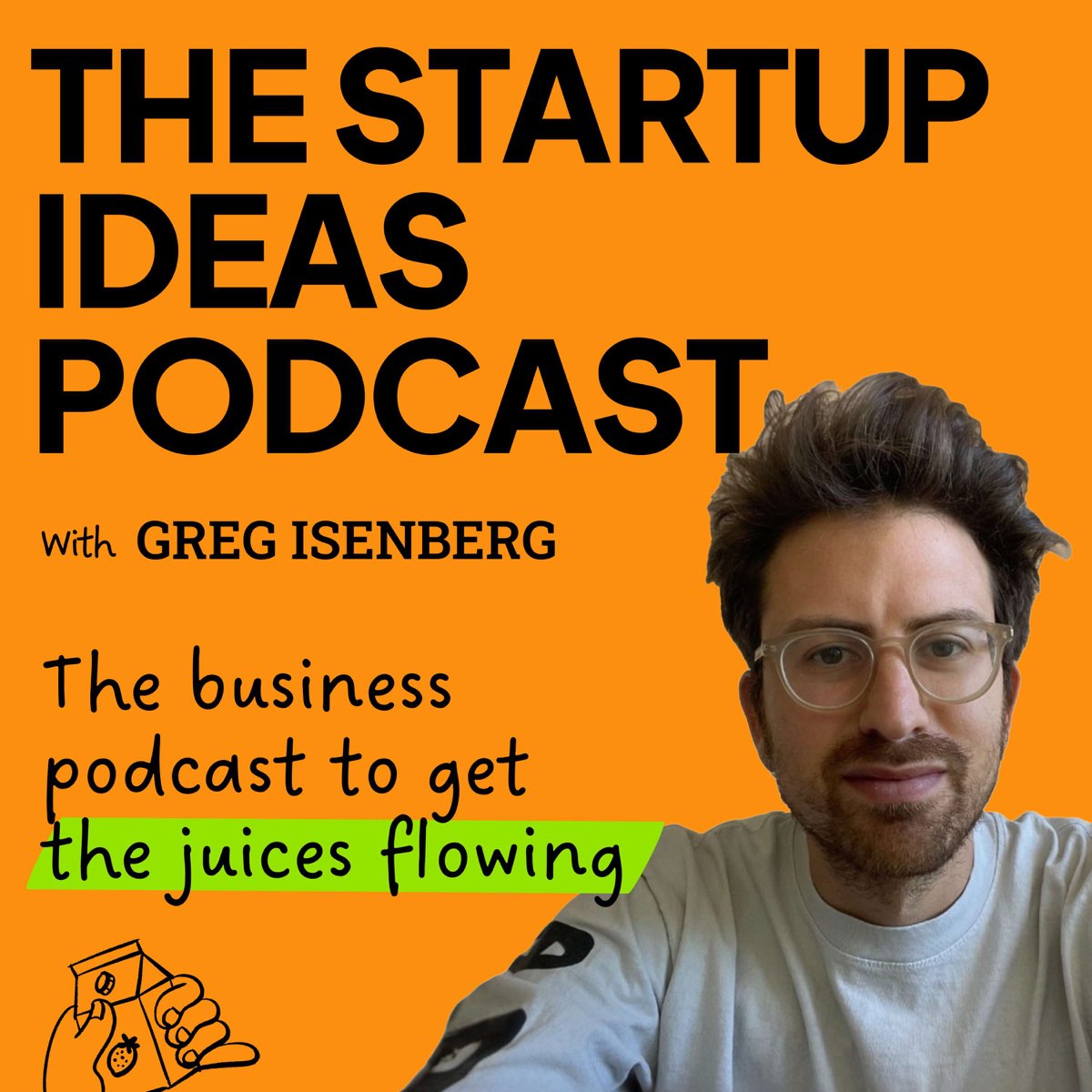
- The Startup Ideas Podcastwith Greg Isenberg. Strongly focused on internet-native, zeitgeist ideas, often with specific go-to-market recommendations attached.
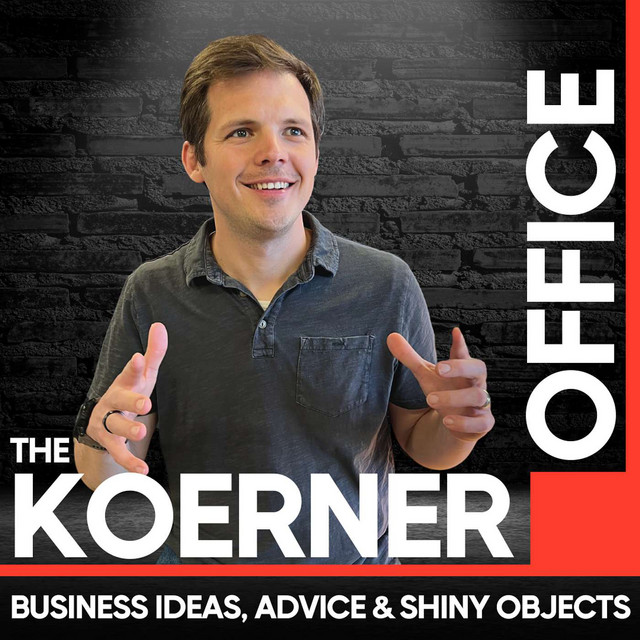
- The Koerner Office with Nick Huber and Dan Koe. Leans toward service and real-world businesses, with an emphasis on acquisitions and operator economics.
If you want to go upstream of the list, these shows are where we recommend starting. If you just want the ideas without the four hours of audio, that is what the list above is for.
How to Validate a Business Idea You Find Here
An idea from a podcast is a starting point, not a green light. Before committing real time to one of these, run three cheap tests:
- Talk to five people who would be customers. Ask what they currently use, what they spend, and what is broken. If nothing breaks, the idea probably has no pull.
- Check if the business already exists. If it does, do not be discouraged, be encouraged. Competition is proof of a market. Your job is to find the angle the incumbents missed (a narrower audience, a different channel, a better price).
- Pre-sell before you build. Can you get one person to pay you, or at least commit in writing, before you write a line of code or sign a lease? If not, revisit step one.
For a deeper walkthrough of this process, read our guide to validating business ideas and our piece on how to find your next business idea.
Frequently Asked Questions
Is Startup Seeds really free?
Yes. Every idea in the database is free to browse, search, and share. We do not paywall the list. If you want updates delivered to your inbox, you can subscribe to our newsletter above, which is also free.
How often is the list of business ideas updated?
We add new ideas every week as new podcast episodes are released. The three main feeds we cover publish on regular schedules, and we process new episodes within a few days of release. The database above always reflects the latest additions.
Can I submit a business idea I heard on a podcast?
Yes, reach out through our contact page with the podcast name, episode number, and a one-line summary of the idea. If it fits our criteria we will add it and credit you.
Do you cover podcasts other than My First Million, Startup Ideas, and Koerner Office?
We started with these three because of their consistency and operator credibility. We are expanding the set over time. If there is a show you think belongs here, let us know through the contact page.
How is this different from a generic business ideas list?
Generic lists are written in one sitting by one person and do not update. Startup Seeds is a living database sourced from hundreds of conversations between people who have built companies, with direct links back to the source material. The ideas here have already been stress-tested by experienced operators before they reach you.
What should I do after I find an interesting idea?
Click into the idea to read the full writeup and visit the source episode. Then run the three validation steps above. If it still looks promising after that, our blog and the founder resources page collect the tools most commonly used to take an idea from concept to first customer.